

How to Mount a Wall Hanging Electric Fireplace
There are many ways to mount your electric fireplace. Some fireplaces with electric technology can be fully or partly recessing into the wall for a an elegant and polished look.
Others can be hung flatly on the wall to form a work of art. They can be incorporated into a fireplace mantel.
1. Easy to Install
A wall-mounted fireplace is a great way to add warmth and comfort to your home. This is especially true if you don't want the hassles associated with a gas or wood-burning fireplace. These fireplaces are also easy to set up and are a fantastic option for homeowners. When you are putting up your fireplace, keep in mind a few important things.
First, ensure that you have the right tools. A few basic tools should suffice to complete the task however, you may require more if your project is more complex. Also, ensure that the fireplace you choose to install is compatible with the room you're installing it in. There are designs for electric fireplaces that tell you where to mount the brackets. However, you should make a decision based on your own judgment about how high or low you'd like to place it. Verify that the area you're planning to place it is safe for electric fires.
Install the fireplace on the brackets once you've secured them. It may differ from one fireplace to the next but there'll likely be an ledge on the bottom of the fireplace it rests on, as well as spots on either side of it where you can attach the brackets. Some electric fireplaces come with a back that you can connect to the brackets to secure them.
If you're installing your electric fireplace into a wall or other enclosed area, you'll need to build an enclosure around it to shield the fireplace from fires and other damage. It's a good idea get help from an electrician for this process if you're not confident in doing it yourself.
Lastly connect the fireplace and test it. It's a good idea double-check all the controls such as switches, buttons, and switches for the flame brightness, heat settings and more. If you notice that something is not functioning, turn off the power and contact an electrician. Faulty electrical components can pose a fire risk and shouldn't be played with by anyone who isn't an electrician.
2. Space Savings
The sconces, mirrors, or pictures you typically place on your walls to create ambiance are lovely but sometimes they don't have enough "oomph" to make a statement. Consider a wall-mounting electric fireplace if you're looking to improve the appearance of your living room without spending a lot of money.
These units are designed to take up small spaces on walls and are therefore ideal for people living in condos, apartments, or smaller homes. You can opt to have them recessed into the wall to create an integrated look or mount them on a freestanding fireplace, depending on what you like. They also don't require a chimney, and don't protrude into the room as much as traditional wood or gas fireplaces do and that means you can have more space to put in other things.
This type of fireplace not only reduces floor space, but is also more energy-efficient than the traditional ones. They are safer and produce less heat. Also, they don't need to be vented, making them a great option for homes with young pets or children.
You can get these fireplaces in different designs and styles to match your style. Some fireplaces are sleeker and more modern, whereas others are more rustic or traditional. Some models are hand-painted logs or ember beds for authenticity. You can also select from a variety of colors to match your interiors.
Check the size of the space where you intend to hang the heater before you buy it. Check the heat output of the heater to make sure it is able to warm the room. Also, you may prefer a fireplace that comes with a remote control or other features for ease of use and safety. Make sure that you follow the instructions to mount your fireplace properly so that it's safe and secure. It is recommended to hire a professional if you don't know how to complete the task.
3. Large Areas of Heating
In contrast to wood-burning or gas-burning fireplaces, which require expensive chimneys and venting systems, electric fireplaces offer an easy, efficient method for heating living spaces. They can be affixed to walls, incorporated into a bumpout or used as an element of freestanding furniture. Since they don't produce flames or smoke they are also compatible with flat-screen televisions. You can also find electric fireplaces that come in a range of styles, from classic mantels to modern linear units.
Depending on the type of fireplace you pick It can be operated using traditional fan-forced air over electric coils or infrared technology, which converts electricity into energy that is heat. Both kinds of fireplaces can warm rooms as large as 400 square feet. If you opt for one that has an ambient LED light display to simulate a real flame, it can be used as a mood lighting fixture while not heating the room.
Since they don't have real flames, electric fireplaces require less maintenance than traditional hearths that burn wood. Electric fireplaces don't provide heat to walls like the masonry units do. You should limit the amount of time you use the heating feature to limit the amount of energy bills.
The majority of their energy comes from the infrared heating elements, which create warmth on the wall behind the glass. The area around the flames remains cool, though this makes them an ideal option for families with young children who could be drawn to the fire that is simulated.
Like other electrical appliances electric fireplaces should be connected into a separate circuit that isn't serving any other device Kuefler suggests. The heating function typically draws up to 1,500 watts, which is more than enough to overload the existing circuit in your home.
You can build an independent unit that is flush to the wall yourself using a few tools that you'll find in your home. If you want to mount a recessed unit on the wall you may need to hire an electrician to complete the electrical connection. This is because it requires more complicated framing work and patching the drywall. No matter what type you select, ensure that it's in line with the decor of your home and ensure there is enough space for heated air or infrared rays to flow through the space.
4. Easy to Clean
Wall-mounted electric fireplaces are less maintenance-intensive and require less upkeep than traditional wood or gas fireplaces. This is because they do not produce an actual flame, which means there isn't any ash build-up. However, that doesn't mean they don't require to be periodically cleaned.
Maintaining your electric fireplace clean and well-maintained will help it perform better and last longer. It will also make it look its best. It can also help avoid any issues that might arise over time from dust or dirt accumulation.
It is crucial to read your user guide before cleaning your electric fire. in the wall fireplace electric will ensure you take all necessary precautions in order to avoid any damage or accidents.
Unplug and shut off your fireplace in the first step. This will prevent any accidental electric shocks that might occur while you clean. If your electric fireplace is plug-in, switch it off at the outlet; if it's wired into the electrical system of your home, disconnect it by isolating the circuit in your fuse box.
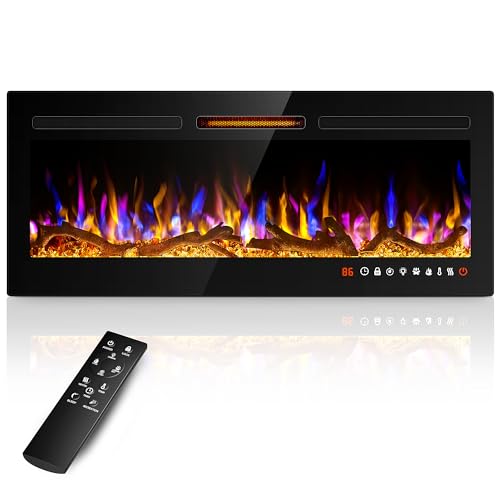
Next, use a soft cloth or paper towel to gently wipe the glass panel. The appearance of your fireplace could be improved greatly by gently removing fingerprints and smudges. Avoid using abrasive cleaners since these can damage the glass and leave undesirable marks. It is important to thoroughly dry the glass after you've cleaned it.
After you've cleaned the glass, it's now time to clean your electric fireplace's interior. If your fireplace has an opening that can be removed, carefully remove it following the directions provided in your user's manual. Once the front panel is removed and the fireplace is clean, you can employ a soft brush or vacuum with a brush attachment to clean any dust built up around internal components such as the artificial logs and embers, LED lights, or flame reflectors. You can also use compressed air to remove dust from difficult-to-access areas or in restricted spaces.
Examine all electrical connections for signs of wear. To prevent any dangers it is best to have any damaged or loose connections repaired by a professional.